

Table of Contents
- Exploring the Timeless Appeal of Flower Paintings in Art History
- Techniques and Styles: A Deep Dive into Floral Painting Methods
- selecting the Perfect Flower Painting for Your Space and Style
- Q&A
- Closing remarks
Exploring the Timeless Appeal of Flower Paintings in Art History
Throughout the ages,flower paintings have occupied a special place in the hearts of artists and admirers alike,transcending mere aesthetics to embody deep emotional and cultural significance. This genre, frequently intertwining nature with symbolism, has presented an array of expressions from the vibrant tulip fields of the Dutch Golden Age to the delicate compositions of the Impressionists. Artists like claude Monet captured fleeting moments of bloom, inviting viewers to immerse themselves in the ephemeral beauty of the natural world. Each brushstroke not only paints a flower but also conveys themes of rebirth, love, and transience, showcasing how blossoms can narrate stories that resonate across generations.
The allure of these artworks is not solely subjective; they also reflect the changing contexts of society and art movements over time. In the context of still life, flowers ofen served as a backdrop to explore the balance of beauty and decay, with artists like vanitas painters incorporating blooms to remind viewers of life’s fleeting nature.As we traverse through different ancient periods,we see a divergence in styles and interpretations-ranging from the intricate detail of Realism to the abstract shapes in Modernist works. This rich tapestry of styles enriches our understanding of not just flowers themselves, but also the evolving human experience. Here’s a table that highlights some significant periods in flower painting history:
| Period | Notable Artists | Characteristics |
|---|---|---|
| Dutch golden Age | jan Davidsz de Heem, Rachel Ruysch | Realistic detail and rich color palettes. |
| Impressionism | Claude Monet, Pierre-Auguste renoir | Loose brushwork that captures light and atmosphere. |
| Post-Impressionism | Vincent van gogh | Bold colors and emotional expression. |
| Modernism | Pablo Picasso, Georgia O’Keeffe | Abstract forms and new interpretations of nature. |
Techniques and styles: A Deep Dive into Floral Painting Methods
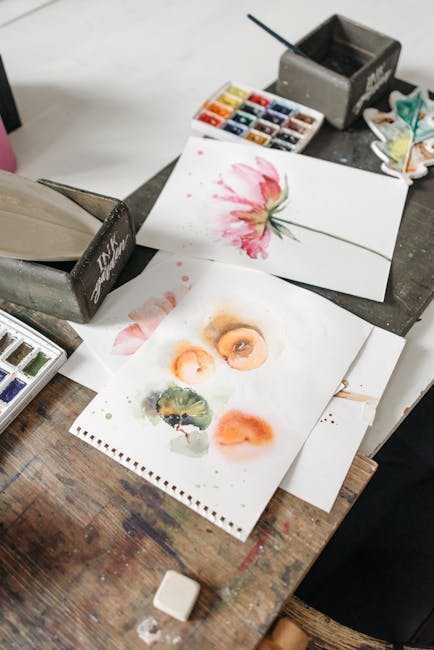
Floral painting techniques vary widely, allowing artists to express their unique visions and styles. among the most popular methods, watercolor painting is cherished for its delicate transparency and fluidity, which can evoke the ephemeral nature of flowers. Artists often layer washes to create depth and vibrancy, capturing the play of light and shadow. Another favored style is oil painting, which provides a rich texture and a wide palette of color possibilities. Utilized for its ability to blend and build up layers, oil paints allow for fine details and dramatic contrasts, resulting in striking compositions that pop off the canvas.
Experimenting with mixed media can also yield interesting results. Many artists combine techniques such as collage or embellishment with conventional painting to introduce texture and dimension. Techniques like impasto, where paint is laid on thickly, create dynamic surfaces that enhance the visual interest of floral works. Here’s a concise summary of notable styles and techniques within floral painting:
| Technique/Style | description | Best For |
|---|---|---|
| Watercolor | layered washes for transparency and light. | Soft, delicate flowers. |
| Oil Painting | Rich color blends and textures. | Bold, dramatic floral scenes. |
| Mixed Media | Combining various techniques for texture. | Creative and abstract interpretations. |
| Impasto | Thick paint applications for dimension. | High-impact focal points. |
Selecting the Perfect Flower Painting for your Space and Style
When choosing a flower painting, it’s essential to consider both the style of the artwork and the aesthetic of your space. Start by identifying the overall theme of your interior design. Is it modern,rustic,or perhaps minimalist? A bold,vibrant piece may enhance a contemporary space,while softer,pastel shades could complement a more traditional setting. Think about the color palette of your room; you might opt for hues that match your furnishings or even contrasting colors to create a striking focal point. Here are some aspects to ponder:
- Size: Consider how big the piece should be; large canvases can make a statement, while smaller works can be grouped for effect.
- Style: Decide between abstract, realistic, or impressionistic interpretations of flowers.
- Framing: The right frame can enhance the painting and tie it into the decor.
It’s also wise to think about where you plan to hang your chosen piece. Will it be a centerpiece in your living room, a serene accent in your bedroom, or perhaps a lively addition to your home office? Take note of the lighting conditions in the area, as natural light can affect the appearance of colors and textures in a painting. To simplify your choice, consider creating a visual mood board that reflects your personal taste alongside your current decor. This will help you align your artistic selections with your preferred vibes and themes. Here’s a speedy table to guide you:
| Style | Best for | Color Palette |
|---|---|---|
| Abstract | Modern Spaces | Bold & Shining |
| Realistic | Traditional Spaces | Natural & Soft |
| Impressionistic | Eclectic Spaces | varied & dreamy |
Q&A
Q&A: All About Flower Paintings
Q: What are flower paintings?
A: Flower paintings are artistic representations that highlight the beauty and intricacy of blossoms, foliage, and botanical elements. They can vary in style, medium, and technique, ranging from realistic depictions to abstract interpretations. These artworks often serve to evoke emotions, celebrate nature, and capture the essence of blooming beauty.
Q: What is the significance of flowers in art?
A: Flowers in art symbolize a range of concepts, including beauty, transience, and the cycle of life. Different flowers have unique meanings-roses often represent love, while lilies may symbolize purity. throughout history, artists have used flowers to convey messages and emotions, making them a powerful motif in visual storytelling.
Q: What are some popular techniques used in flower painting?
A: Artists employ various techniques in flower painting, including watercolor, oil, acrylic, and digital art. Watercolor frequently enough captures delicate textures and subtle hues, while oil paints allow for rich color saturation and depth. Techniques like layering, glazing, and impasto can enhance the vibrancy of the flowers, making them appear almost lifelike.
Q: How can I get started with painting flowers?
A: To begin painting flowers,start by observing real flowers or photographs for reference. Gather necessary supplies, such as paints, brushes, and canvas. Practice sketching simple shapes, then gradually introduce color and shading techniques. Online tutorials and art classes can also be excellent resources to improve your skills and develop your personal style.
Q: Are there specific flowers that are commonly painted?
A: Yes, certain flowers are especially popular among artists. sunflowers, with their bold shapes and bright colors, are often depicted, as are delicate cherry blossoms and vibrant tulips. Exotic blooms like orchids or lush roses also attract attention due to their intricate details and rich symbolism.
Q: What are the benefits of incorporating flower paintings into home decor?
A: Flower paintings can enhance home decor by adding color, warmth, and a sense of tranquility.They can brighten up a room, serve as focal points, and create a connection to nature. Additionally, depending on the flowers depicted, they can evoke specific moods-exuding serenity with soft pastel blooms or energizing a space with vibrant colors.
Q: How can I choose the right flower painting for my space?
A: Consider the overall theme and color palette of your space when choosing a flower painting. Think about the emotions you wish to evoke-cool colors can create calmness, while warm tones can energize. Size is also essential; larger pieces can create dramatic statements, while smaller works work well in groups or tight spaces.
Q: Can flower painting be considered a form of therapy?
A: Absolutely! Flower painting can be a therapeutic activity, encouraging mindfulness and self-expression. Engaging in this creative process allows individuals to disconnect from daily stressors and immerse themselves in the beauty of nature. Many artists find joy and relaxation in capturing the delicate details of flowers on canvas.
With this Q&A, we hope to inspire both new and experienced artists to explore the enchanting world of flower paintings, appreciating not only their aesthetic appeal but also their deeper meanings and personal significance.
Closing Remarks