

Table of Contents
- Exploring the Emotional Depth of Abstract Paintings
- techniques and Materials Behind Stunning Abstract Artwork
- Choosing the Right Abstract Paintings for Your Space
- Q&A
- To Conclude
Exploring the emotional Depth of abstract Paintings
At the heart of abstract paintings lies a profound emotional resonance that transcends the boundaries of language and literal representation. The colors, shapes, and textures are not mere artistic choices; they serve as a means of expressing complex feelings and thoughts, inviting viewers to explore their own interpretations. Each brushstroke carries an emotional weight,whether it evokes a sense of calm or stirs up a whirlwind of memories. Artists often harness elements like vivid hues and dynamic forms to communicate feelings that may be challenging to articulate. The beauty of abstract art lies in its ability to connect with the viewer on a visceral level, making every piece a unique experience and an emotional journey.
Engaging with abstract paintings encourages introspection and a personal dialog with the artwork. As one stands before a canvas splashed with vivid colors, they may find themselves reflecting on their own life experiences, leading to varied emotional responses. Often, the emotional impact can be categorized into several key themes:
- Joy: Radiant colors and playful shapes evoke feelings of happiness.
- Melancholy: darker palettes and softer lines may resonate with feelings of introspection.
- Chaos: Erratic patterns and clashing colors can symbolize tumultuous emotions.
- Serenity: Minimalist abstract works often offer a sense of peace and calm.
This diversity of emotional expression demonstrates how abstract art captures the human experience, allowing viewers to engage with their feelings and thoughts in a meaningful way.
Techniques and Materials Behind Stunning Abstract Artwork
Creating breathtaking abstract artwork involves a symphony of techniques and materials that together form the backbone of the creative process. Artists often experiment with a variety of mediums, including acrylics, oils, watercolors, and even mixed media, to achieve unique textures and effects. Each material offers distinct characteristics; for instance, acrylic paints dry quickly, allowing for layering and rapid changes, while oil paints provide a longer working time, enabling artists to blend and manipulate colors seamlessly. Additionally, the use of unconventional tools such as palette knives, sponges, or even fingers adds an element of spontaneity and unpredictability, inviting artists to explore their intuition rather than sticking to customary methods.
The techniques employed in abstract painting are as diverse as the artists themselves. Pouring, such as, allows colors to intermingle and flow organically, creating mesmerizing patterns without the artist’s direct application. Conversely, dripping and splattering techniques, reminiscent of Jackson Pollock, evoke energy and movement on the canvas. Artists may also utilize collage techniques, introducing texture and depth by incorporating materials like paper, fabric, and found objects. As for color theory, the strategic interplay of complementary, analogous, and monochromatic schemes is crucial for creating visual harmony, guiding the viewer’s eye and evoking emotions. These elements combine to produce abstract artwork that is not only visually striking but also deeply resonant.
Choosing the Right Abstract Paintings for Your Space
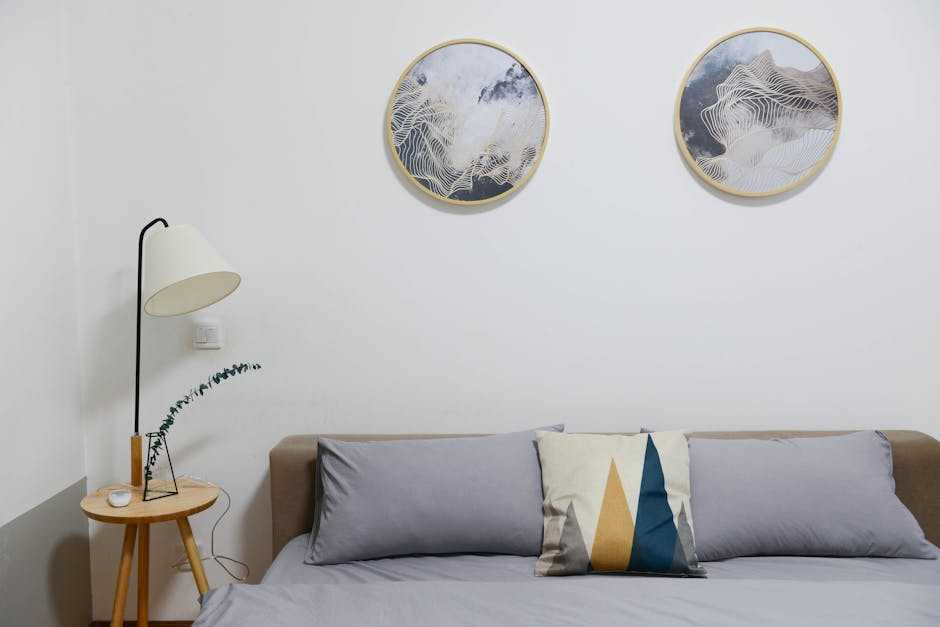
When selecting abstract paintings for your environment, it’s essential to consider both the mood you wish to create and the existing decor. Abstract art can evoke a variety of emotions-energizing,calming,or thought-provoking-depending on color schemes and shapes. Think about how these pieces will interact with your space:
- Color Harmony: Choose paintings that complement the color palette of your room.Warm tones can create an inviting atmosphere, while cooler hues promote tranquility.
- Size Matters: Scale is crucial. A large canvas can serve as a stunning focal point, while smaller pieces may work best in groups or alongside other decor.
- Style compatibility: Consider the style of your furniture and overall design.A sleek,modern abstract painting may not pair well with rustic elements.
To further refine your selection, think about the specific areas where the artwork will reside. Different rooms offer distinct vibes that can be enhanced by the right piece. Such as:
| Room | Ideal Abstract Art Style |
|---|---|
| Living Room | Bold and vibrant designs that spark conversation. |
| Bedroom | Soft tones and flowing shapes for a relaxing atmosphere. |
| Office | Inspirational and dynamic pieces to boost creativity. |
Q&A
Q&A: Understanding Abstract Paintings
Q1: What is abstract painting?
A: Abstract painting is a genre that emphasizes the use of color, shapes, and forms rather than representing realistic objects or scenes.Artists working in this style often seek to evoke emotions and provoke thoughts, allowing viewers to interpret the artwork in their own unique ways.
Q2: What are some common techniques used in abstract painting?
A: Techniques in abstract painting can vary widely but frequently enough include pouring paint, layering, collage, and employing mixed media. Artists might use bold brushstrokes or delicate drips, allowing the materiality of the paint itself to play a meaningful role in the work.
Q3: Who are some famous abstract artists?
A: Some of the most renowned abstract artists include Wassily Kandinsky, Piet Mondrian, and Jackson Pollock. Each artist brought their unique vision and technique to the genre, influencing countless others and broadening the understanding of what abstract art can convey.
Q4: How do I appreciate abstract paintings,especially if I’m not an art expert?
A: Appreciating abstract art doesn’t require expertise-it involves using your senses and emotions. Take a moment to observe the colors and shapes. Consider how the artwork makes you feel or what thoughts it evokes. remember that your interpretation is valid and can differ from someone else’s.
Q5: Is there a specific purpose behind abstract paintings?
A: The purposes of abstract paintings can vary from artist to artist. Some create to express personal experiences or emotions, while others aim to explore concepts of perception and reality. There’s frequently enough an intention behind the chaos of colors or the interplay of shapes, though it may not always be immediatly discernible to viewers.
Q6: How can I incorporate abstract art into my home decor?
A: Abstract art can serve as a striking focal point in your home. Consider the mood you wish to create in a space-lively and energetic pieces can shout with color while softer tones can instill calm.Aim to complement your existing decor, placing artworks where they can be appreciated and inspire conversation.
Q7: Are there any benefits to creating my own abstract art?
A: Absolutely! Creating abstract art can be an excellent form of self-expression, allowing for a deeper connection with your feelings. It can also serve as a stress reliever-letting go of the need for perfection or representation can unleash creativity and offer a satisfying resolution to the creative process.
Q8: How has the perception of abstract art changed over the years?
A: The perception of abstract art has evolved significantly as its inception in the early 20th century. Initially met with skepticism,it has since garnered recognition as a legitimate form of artistic expression. Today, abstract works are celebrated in galleries and homes worldwide, reflecting cultural values and artistic innovation throughout history.
Feel free to explore your thoughts and emotions as you dive into the vibrant world of abstract art-let it inspire and transform you!
To Conclude